Complexity in accountability
In operations design, accountability charts face a structural contradiction:
We need detail to ensure clarity and fairness.
But too much detail makes the chart unusable.
If we under-specify roles, ownership becomes ambiguous and reviews can become toxic.
If we over-specify them, the chart turns into a cluttered visual mess no one uses.
This is a classic contradiction — and TRIZ gives us a useful lens.
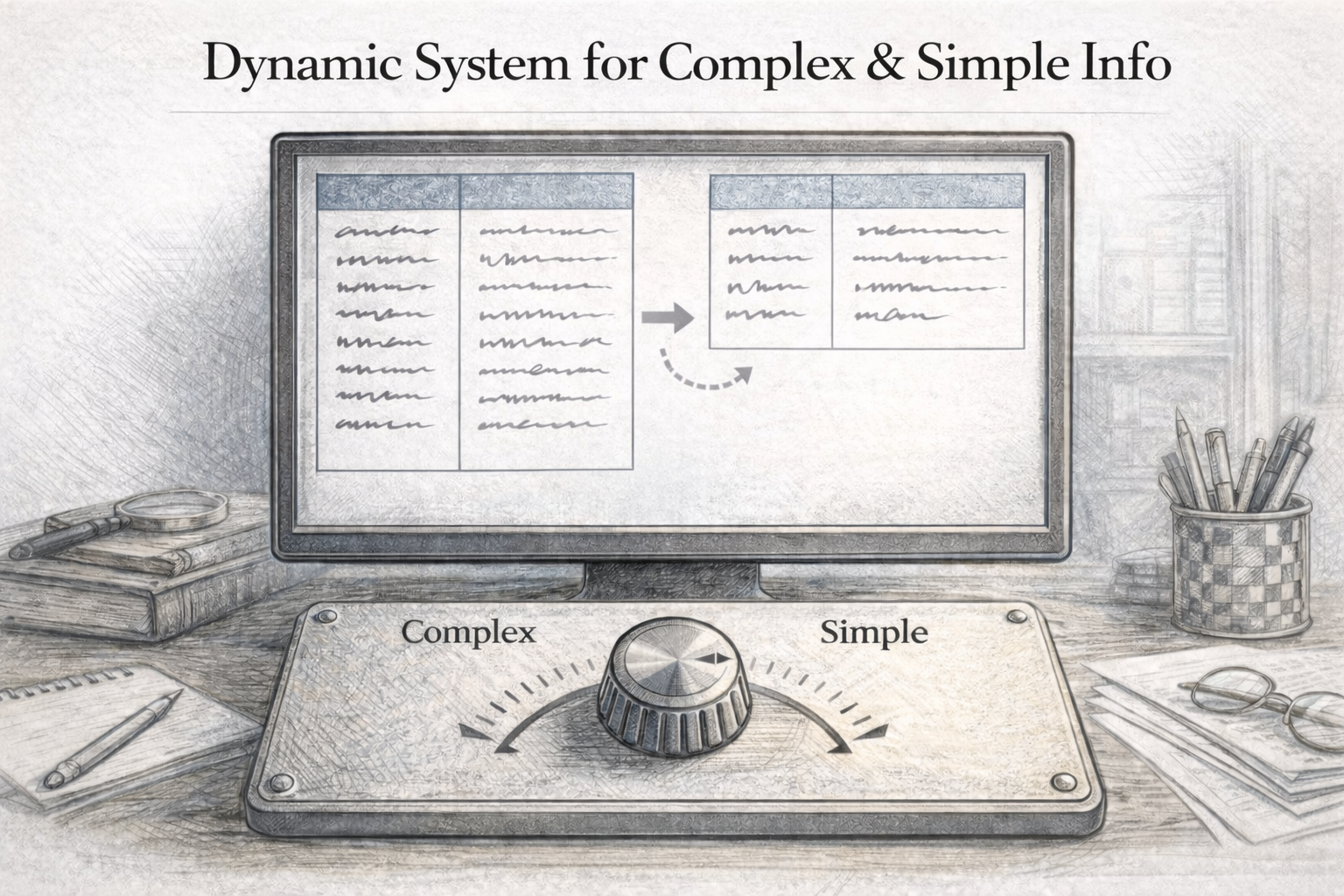
TRIZ Principle #15: Dynamics suggests that when two requirements conflict, the solution may be to make the practice adaptable rather than fixed.
Applied to accountability charts:
- Keep the core chart structurally simple.
- Make detail expandable, or layered.
- Allow different “views” depending on the audience.
An executive needs to see outcomes and ownership.
An manager may need task-level clarity.
The mistake is forcing all of that into one static artifact.
Principle #15 reminds us that resolution often comes from flexibility — not compromise.
In operations, structure must remain clean.
Detail must remain accessible.
The solution is not choosing between them.
It’s designing the process so both can coexist without overwhelming each other.
Do you have an accountability chart in a business operating system like Bloom Growth™ or EOS? They are great for focused views.
Appollo Explore compliments charts like that by providing the details.